The packaging aisle is a battlefield. Brands have less than three seconds to grab a consumer’s attention. But packaging isn’t just about standing out on the shelf; it’s about protecting the product inside, extending shelf life, and providing a seamless user experience.
For brand owners, navigating the world of flexible packaging can feel overwhelming. With dozens of pouch styles and complex material combinations, choosing the wrong structure can lead to product spoilage, filling line issues, or a disappointing unboxing experience.
This guide breaks down the most common pouch types, the materials used to make them, and how to match them to your specific product application.
Understanding the Core Pouch Types
The shape of the pouch dictates how the consumer interacts with your product and how it performs on the shelf.
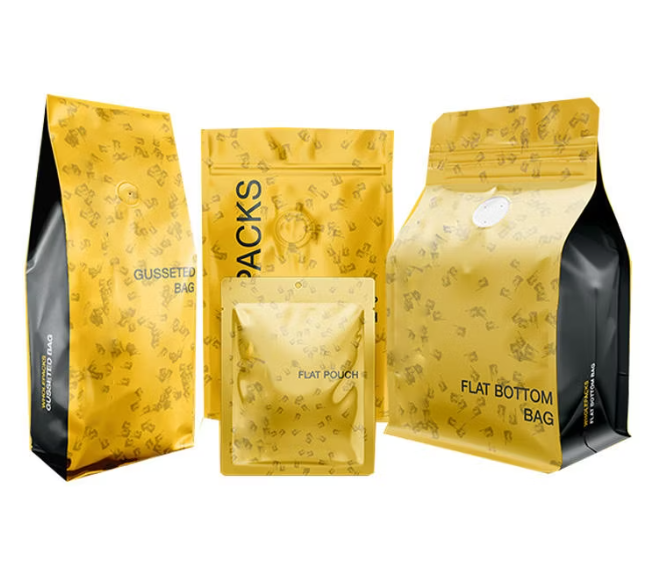
Stand-Up Pouches (Doypacks) are the workhorses of the industry. Featuring a gusseted bottom, they stand upright on shelves, providing excellent billboard space for branding. They are incredibly versatile, used for everything from coffee beans and pet treats to liquids when fitted with a spout.
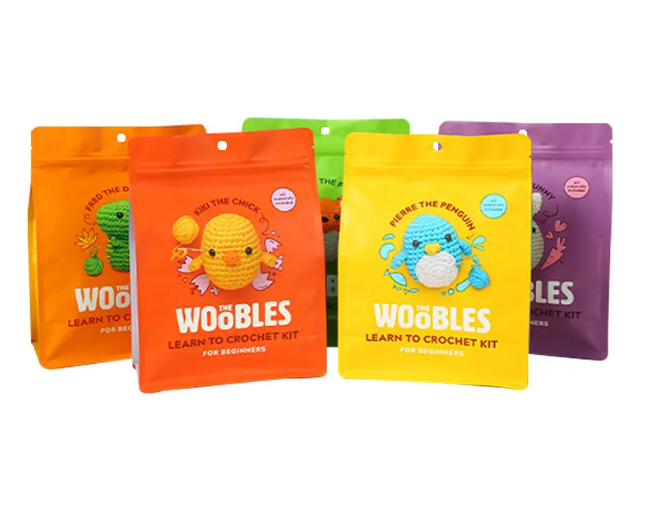
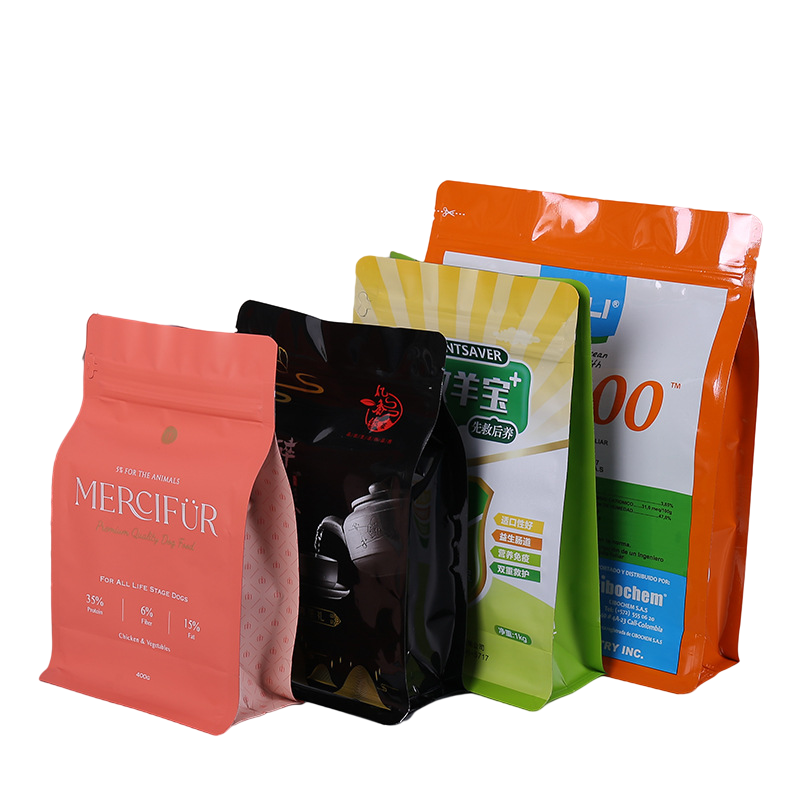
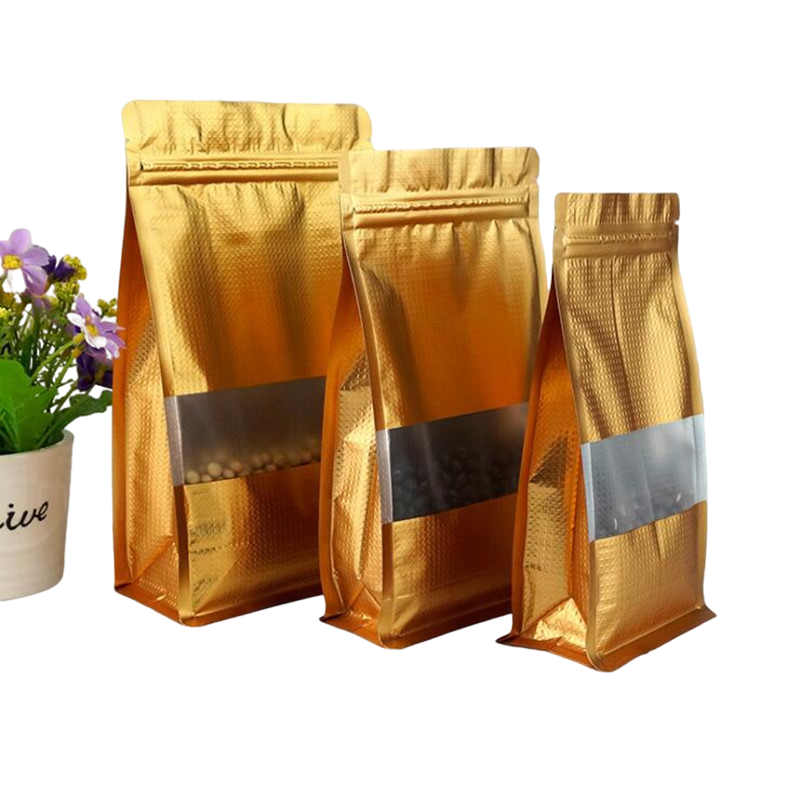
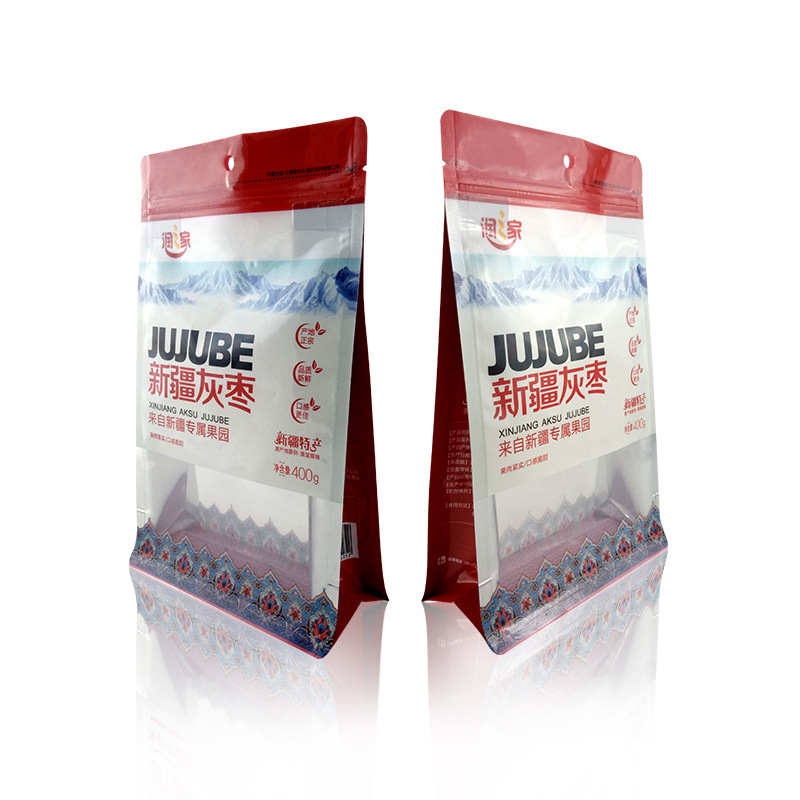
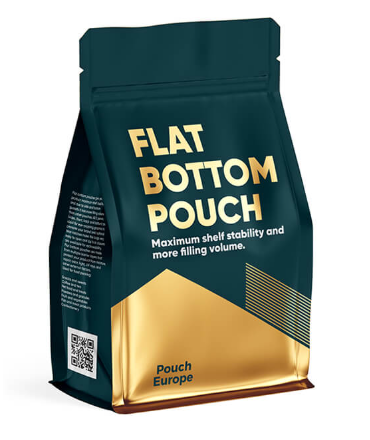
Flat-Bottom Pouches (often called box pouches) offer a premium, box-like appearance. Because they have five printable panels, they maximize shelf impact. They are highly stable and can hold larger weights, making them ideal for high-end coffee, tea, or premium pet food.
Three-Side Seal Pouches are flat, traditional packets sealed on three edges. They offer the highest barrier protection relative to their size and are incredibly cost-effective. They are perfect for single-serve items, snacks, and small hardware components.
Spouted Pouches are designed specifically for liquids, semi-liquids, and purees. The fitment allows for easy pouring or squeezing, making them popular for baby food, juices, and household liquids.
Rollstock (Film on a Roll) isn’t a pouch at all, but rather the film used by high-speed automated packaging machines (like flow-wrappers) to form, fill, and seal products on the production line. It is widely used for candy, granola bars, and fresh produce.
Choosing the Right Material Structure
Once you choose the pouch type, you must select the material structure. Flexible packaging is rarely a single plastic; it’s a multi-layer laminate where each layer provides a specific function.
Polyethylene (PE) is the sealant layer. It’s on the inside of the pouch and is responsible for providing a strong, leak-proof seal.
Polyethylene Terephthalate (PET) is the outer layer. It provides structural strength, puncture resistance, and an excellent surface for high-quality printing. It also offers moderate barrier properties.
Aluminum Foil (AL) is the ultimate barrier. It blocks out light, moisture, and oxygen completely. If you are packaging coffee, sensitive pharmaceuticals, or oily snacks, an aluminum layer is often essential to prevent spoilage.
Nylon (NY) is used for durability. It provides excellent puncture resistance and is often used in vacuum packaging for meat or heavy pet food, as well as for products that need to survive rough transport.
Biaxially Oriented Polypropylene (BOPP) is known for its high clarity and glossy finish. It is often used for snack foods and confectionery where visual appeal is critical.
Matching Materials and Shapes to Applications
The key to successful packaging is aligning the pouch type and material with the product’s specific needs.
For coffee and tea, a flat-bottom pouch or stand-up pouch is often preferred. Because coffee degasses and is sensitive to oxygen, a structure like PET/AL/PE with a one-way degassing valve is highly recommended to keep the beans fresh.
For pet food, durability and grease resistance are critical. A stand-up pouch made with a PET/NY/PE structure or PET/PE with a high-quality grease barrier will prevent oils from seeping through and keep the food fresh.
For liquid beverages and purees, spouted pouches made from PET/AL/PE or PET/NY/PE provide the necessary puncture resistance and barrier to ensure the liquid remains safe and shelf-stable.
For everyday dry snacks like chips or nuts, a stand-up or three-side seal pouch using metallized PET (MetPET) or BOPP combined with PE offers a cost-effective way to block moisture and maintain the crunch.
The Takeaway
There is no one-size-fits-all solution in flexible packaging. A beautiful flat-bottom pouch won’t work if the material doesn’t block oxygen, and a high-barrier film is wasted if the pouch shape doesn’t fit your filling machine. By understanding the relationship between pouch shape, material structure, and product application, brand owners can create packaging that protects the product, delights the consumer, and builds brand loyalty.